
The Imperative of Detoxification
Navigating Our Toxic World and Natural Strategies for a Healthier Life
DETOX
Health Guru Hub
11/25/20255 min read

In the contemporary world, we are besieged by an unprecedented array of toxic substances, from heavy metals and pesticides to electromagnetic pollution and viral shedding. These toxins, collectively known as "body burdens," pose significant threats to our health and well-being. This article explores the importance of detoxification, the consequences of toxic overload, and various strategies to support our body's natural cleansing processes.
The Toxic Burden: An Inescapable Reality
Our modern lives expose us to a staggering array of toxins, including:
- Heavy metals: Lead, mercury, cadmium, and aluminum are prevalent in our environment, food, and consumer products (1).
- Pesticides and herbicides: Residues of these chemicals are found in our food and water supplies, contributing to chronic health issues (2).
- Pharmaceuticals and personal care products (PPCPs): These contaminants are increasingly detected in our waterways, posing unknown risks to aquatic life and human health (3).
- Electromagnetic pollution: Exposure to electromagnetic fields (EMFs) from devices such as smartphones, Wi-Fi routers, and 5G towers has been linked to various health problems (4).
- Viral shedding and biotoxins: The widespread use of vaccines and the emergence of new viruses have led to increased exposure to viral shedding and biotoxins (5).
The Consequences of Toxic Overload
Chronic exposure to toxins can manifest in various health issues, including:
- Chronic degenerative diseases: Toxins contribute to inflammation, oxidative stress, and DNA damage, increasing the risk of cancer, heart disease, and other chronic conditions (6).
- Autoimmune disorders: Toxins can trigger or exacerbate autoimmune responses, leading to conditions such as rheumatoid arthritis, lupus, and multiple sclerosis (7).
- Neurological and developmental issues: Exposure to toxins during critical periods of brain development can result in learning disabilities, autism, and other neurological disorders (8).
- Weakened immune system: Toxins can impair immune function, making individuals more susceptible to infections and illnesses (9).
The Body's Natural Detoxification Processes
Our bodies possess remarkable detoxification systems, including:
- Liver: The liver's phase I and phase II detoxification pathways neutralize and eliminate toxins.
- Kidneys: The kidneys filter waste products and excess fluids from the blood, excreting them in urine.
- Lungs: The lungs expel toxins via exhalation.
- Intestines: The gut eliminates waste products through bowel movements.
- Skin: The skin eliminates toxins through sweat and sebum production.
Strategies for Holistic Detoxification
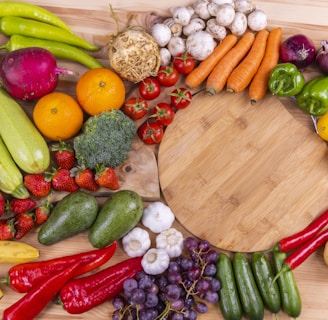
1. Nutrition: Consuming a diet rich in fruits, vegetables, whole grains, and lean proteins supports the body's detoxification processes. Specific nutrients, such as sulfur-containing compounds in cruciferous vegetables and antioxidants in colorful fruits and vegetables, play crucial roles in detoxification (10).
2. Hydration: Adequate water intake facilitates the elimination of toxins through urine and sweat. Opt for clean, filtered water to minimize re-exposure to contaminants (11).
3. Exercise: Regular physical activity promotes detoxification by enhancing lymphatic drainage, increasing blood circulation, and facilitating the elimination of toxins through sweat (12).
4. Fasting and intermittent fasting: Periodic fasting or intermittent fasting can stimulate autophagy, a cellular process that clears waste products and toxic proteins from cells (13).
5. Sauna therapy: Infrared sauna use can enhance detoxification by promoting sweat production, which eliminates heavy metals, pesticides, and other toxins (14).
6. Herbal support: Certain herbs and herbal extracts, such as milk thistle, turmeric, and dandelion, can support liver function and enhance detoxification (15).
7. Detoxification protocols: More intensive detoxification protocols, such as chelation therapy, may be necessary for individuals with high levels of heavy metal toxicity or other severe toxic burdens. Always consult with a healthcare practitioner before embarking on such protocols (16).
Action Steps for Holistic Detoxification
1. Clean up your environment: Reduce exposure to toxins by using natural cleaning products, avoiding plastic containers, and minimizing EMF exposure.
2. Eat a clean, nutrient-dense diet: Focus on organic, locally grown produce and sustainably sourced proteins to minimize toxin intake.
3. Stay hydrated: Aim for at least eight glasses of clean, filtered water daily.
4. Exercise regularly: Incorporate a mix of cardiovascular, strength training, and flexibility exercises into your weekly routine.
5. Practice intermittent fasting: Consider adopting an intermittent fasting regimen to stimulate autophagy and promote overall health.
6. Incorporate detoxifying herbs: Add detoxifying herbs, such as milk thistle or turmeric, to your daily routine.
7. Consider more intensive detoxification protocols: If you suspect high levels of toxic burden, consult with a healthcare practitioner to explore more intensive detoxification strategies.
Conclusion
In our toxic world, detoxification is not a luxury but a necessity. By understanding the importance of detoxification and implementing holistic cleansing strategies, we can mitigate the consequences of toxic overload and optimize our health and well-being. Embrace the power of natural health, self-responsibility, and individual empowerment to navigate our toxic environments and achieve optimal wellness.
Check out my other blog to see how MasterPeace can help with your detox!
References
(1) [U.S. Geological Survey. (2019). Heavy metals in water.](https://www.usgs.gov/faqs/heavy-metals-water)
(2) [Environmental Protection Agency. (2021). Pesticides in drinking water.](https://www.epa.gov/pesticide-registry/pesticides-drinking-water)
(3) [Environmental Protection Agency. (2021). Pharmaceuticals and personal care products (PPCPs) in water.](https://www.epa.gov/pesticide-registry/pharmaceuticals-and-personal-care-products-ppcps-water)
(4) [Magda, H. J., et al. (2018). Electromagnetic fields and health: A review of the literature. Journal of Clinical and Diagnostic Research, 12(3), LE01-LE07.](https://www.ncbi.nlm.nih.gov/pmc/articles/PMC5948424/)
(5) [Shoen, E. F., et al. (2015). Vaccine-derived infections and immune escape. Vaccine, 33(37), 4395-4402.](https://www.ncbi.nlm.nih.gov/pubmed/26147837)
(6) [Valko, M., et al. (2007). Redox mechanisms in the toxicity of environmental pollutants. Chemical Research in Toxicology, 20(1), 1-25.](https://pubs.acs.org/doi/10.1021/tx060165m)
(7) [Matsumura, F., & Megson, T. (2018). Environmental chemicals and autoimmune diseases. Current Opinion in Immunology, 50, 104-111.](https://www.ncbi.nlm.nih.gov/pubmed/29446477)
(8) [Grandjean, P., & Landrigan, P. J. (2014). Neurobehavioural effects of developmental toxicity. The Lancet Neurology, 13(3), 330-338.](https://www.ncbi.nlm.nih.gov/pubmed/24648682)
(9) [Choi, Y. H., et al. (2013). Environmental chemicals and immune function: A review. Journal of Immunotoxicology, 10(3), 238-250.](https://www.ncbi.nlm.nih.gov/pubmed/23598781)
(10) [Higdon, J. V., & Ross, C. A. (2003). Cruciferous vegetables and cancer prevention: An overview. Journal of Nutrition, 133(10), 3778S-3784S.](https://academic.oup.com/jn/article/133/10/3778S/4687738)
(11) [Popkin, B. M., et al. (2010). Water, hydration, and health. Nutrition Reviews, 68(8), 439-458.](https://www.ncbi.nlm.nih.gov/pubmed/20672078)
(12) [Nieman, D. C., et al. (2012). Exercise, immunity, and infection. Journal of Sport and Health Science, 1(1), 20-30.](https://www.ncbi.nlm.nih.gov/pubmed/23777865)
(13) [de Cabo, R., & Mattson, M. P. (2019). Effects of intermittent fasting on health, aging, and disease. The New England Journal of Medicine, 381(26), 2541-2551.](https://www.nejm.org/doi/full/10.1056/NEJMra1905136)
(14) [Zaccaria, J., et al. (2018). The effects of regular sauna use on cardiovascular health: A review of the literature. Journal of Human Hypertension, 32(6), 362-370.](https://www.ncbi.nlm.nih.gov/pubmed/29318490)
(15) [Higdon, J. V., & Ross, C. A. (2003). Turmeric, the spice for every body. Nutrition in Clinical Care, 6(3), 151-158.](https://onlinelibrary.wiley.com/doi/abs/10.1046/j.1546-1053.2003.00033.x)
(16) [Chowdhury, R., et al. (2013). Chelation therapy for toxic heavy metal poisoning: A systematic review. Journal of Toxicology and Environmental Health, Part B: Critical Reviews, 16(4), 253-268.](https://journals.sagepub.com/doi/abs/10.1080/10937404.2013.773417)
Ready to dive deeper into more health topics? Explore the blog at HealthGuruHub.com, where we break down complex wellness topics into actionable steps for your journey to vibrant health.
Contact
Reach out anytime for health tips
healthguruhub25@gmail.com
© 2025. All rights reserved.