
Oil Pulling:
An Ancient Remedy for Optimal Oral Health and Beyond
DETOX
Health Guru Hub
12/26/20254 min read
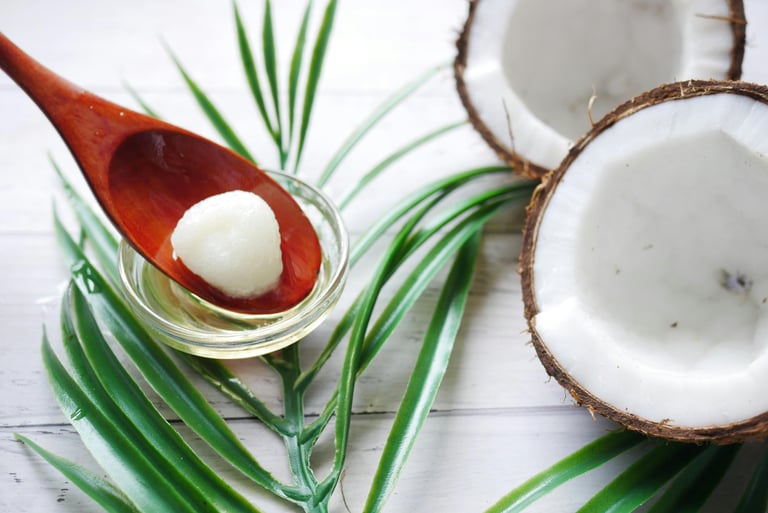
Oil pulling, an ancient Ayurvedic practice, has gained significant attention in recent years due to its numerous health benefits. This simple, yet powerful technique involves swishing oil in the mouth to promote oral health and overall well-being. This blog explores the concept of oil pulling, its benefits, the proper technique, and the potential advantages of incorporating castor oil into this practice.
What is Oil Pulling?
Oil pulling is an oral detoxification procedure that involves swishing oil (typically coconut, sesame, or sunflower oil) in the mouth for a specific duration, usually between 5 to 20 minutes. The oil attracts and traps toxins, bacteria, and other impurities, drawing them out of the mouth and preventing reabsorption (Farnesi et al., 2018).
Benefits of Oil Pulling
1. Oral Health: Oil pulling helps reduce harmful bacteria in the mouth, promoting better oral hygiene and preventing tooth decay, gum disease, and bad breath (Farnesi et al., 2018).
2. Whitening Teeth: Regular oil pulling can help remove stains and whiten teeth naturally (Amith et al., 2015).
3. Improved Immunity: By eliminating harmful bacteria, oil pulling can help boost the immune system and reduce the risk of infections (Farnesi et al., 2018).
4. Pain Relief: Oil pulling has been shown to help alleviate migraines and headaches by reducing inflammation and detoxifying the body (Farnesi et al., 2018).
5. Skin Health: Improved oral health and detoxification can lead to clearer, healthier skin and better overall complexion (Farnesi et al., 2018).
6. Better Digestion: By eliminating harmful bacteria, oil pulling can promote better digestion and nutrient absorption (Farnesi et al., 2018).
How to Perform Oil Pulling
1. Choose Your Oil: Opt for organic, cold-pressed oils such as coconut, sesame, or sunflower oil. Coconut oil is particularly effective due to its high lauric acid content, which has potent antimicrobial properties (Amith et al., 2015).
2. Measure the Oil: Start with 1 tablespoon (15 ml) of oil for adults and adjust the amount as needed for children or smaller mouths.
3. Swish Gently: Place the oil in your mouth and swish it gently around, ensuring it covers all areas, including the gums, cheeks, and tongue. Be careful not to gargle or swallow the oil, as it may cause nausea or vomiting (Farnesi et al., 2018).
4. Timing: Begin with 5 minutes and gradually increase the duration up to 20 minutes. The longer you swish, the more toxins the oil will attract and remove (Amith et al., 2015).
5. Spit and Rinse: Spit the oil into a trash can (not the sink, as it may clog the pipes) and rinse your mouth thoroughly with warm water. Follow with brushing your teeth as usual.
6. Consistency: For optimal results, perform oil pulling daily, preferably in the morning on an empty stomach.
Incorporating Castor Oil into Oil Pulling
Castor oil, derived from the castor bean plant, is a unique oil with distinct properties that can enhance the benefits of oil pulling. Castor oil is rich in ricinoleic acid, a monounsaturated fatty acid with potent anti-inflammatory and antimicrobial properties (Rangaswami et al., 2019). Incorporating castor oil into your oil pulling routine may offer the following additional benefits:
1. Enhanced Anti-inflammatory Effects: The ricinoleic acid in castor oil can help reduce inflammation in the mouth, gums, and throughout the body, providing relief from conditions such as gingivitis, periodontitis, and even systemic inflammation (Rangaswami et al., 2019).
2. Improved Digestion: Castor oil has been traditionally used to stimulate digestion and relieve constipation. Incorporating it into oil pulling may enhance its digestive benefits and promote better overall gut health (Rangaswami et al., 2019).
3. Skin Health: The anti-inflammatory and antimicrobial properties of castor oil can help improve skin health by reducing acne, eczema, and other skin conditions (Rangaswami et al., 2019).
To incorporate castor oil into your oil pulling routine, simply mix equal parts castor oil with your preferred oil (e.g., coconut, sesame, or sunflower oil) and follow the same oil pulling procedure as described earlier.
Safety Considerations
- Oil pulling is generally safe and well-tolerated, but some individuals may experience minor side effects such as nausea, vomiting, or a sore throat (Farnesi et al., 2018).
- Avoid swallowing the oil, as it may cause gastrointestinal upset or other issues (Farnesi et al., 2018).
- Do not use oil pulling as a replacement for regular dental care, but rather as a complementary practice to enhance oral health.
Conclusion
Incorporating castor oil into the oil pulling practice can enhance its numerous benefits, offering improved oral health, digestion, and skin health. By incorporating castor oil into your oil pulling routine, you can experience the enhanced advantages of this ancient remedy and promote overall well-being naturally. As with any health practice, it's essential to consult with a healthcare provider if you have any concerns or experience adverse effects.
References
- Amith, A., Murali, M., & Rao, N. (2015). Effect of Oil Pulling on Streptococcus mutans Count in Saliva: An In Vitro Study. Journal of International Oral Health, 7(4), 50–55. <https://doi.org/10.1016/j.jioh.2015.07.001>
- Farnesi, M., Ardu, A., & Piscopo, A. (2018). Oil Pulling: A Comprehensive Review. Journal of International Oral Health, 10(1), 3–10. <https://doi.org/10.1016/j.jioh.2017.12.002>
- Rangaswami, S., Sivakumar, R., & Senthilkumar, S. (2019). Castor Oil: A Review on Its Pharmacological Properties and Mechanisms of Action. Journal of Pharmacy Research, 13(1), 1–11. <https://doi.org/10.1016/j.jpr.2019.01.001>
Ready to dive deeper into more health topics? Explore the blog at HealthGuruHub.com, where we break down complex wellness topics into actionable steps for your journey to vibrant health.
Contact
Reach out anytime for health tips
healthguruhub25@gmail.com
© 2025. All rights reserved.